
A Shanghai 2-day itinerary sounds like it should be impossible. This is a city of 25 million people, 6,000-plus restaurants, and neighbourhoods that could each swallow a long weekend whole. But here’s the thing: Shanghai is also one of the most navigable cities in Asia, with a metro system so good it makes the London Underground look embarrassed. With a bit of focus, two days is absolutely enough to feel the city rather than just skim it.
This itinerary is built around the icons — because yes, you should see the Bund — but with enough local flavour woven in that you’re not just ticking boxes off a generic list. It’s the route I’d give a good friend visiting for the first time.
A note before you start: make sure you’ve sorted your travel essentials before you land. Read our Shanghai travel essentials guide for everything you need to know about SIM cards, VPNs, payment apps and getting in from the airport.
Watch: Shanghai 2-Day Itinerary in 4 Minutes
Planning your first visit to Shanghai? This video follows the same two-day itinerary outlined below, covering the city’s most famous sights alongside neighbourhoods that showcase a more local side of Shanghai. From The Bund and Yu Garden to the Former French Concession and Jing’an Temple, it’s a practical route that works well for most first-time visitors.
Prefer a written guide? Continue below for a detailed day-by-day itinerary, including suggested routes, walking times and practical tips for making the most of your two days in Shanghai.
Only Have a Few Hours in Shanghai?
If you’re stopping in Shanghai between flights, our Shanghai layover itinerary explains what you can realistically see during a short transit stop at Pudong Airport, including transport times, practical tips and quick sightseeing ideas.
Day 1: The Bund, the Old City and Puxi
Morning: The Bund at its Best
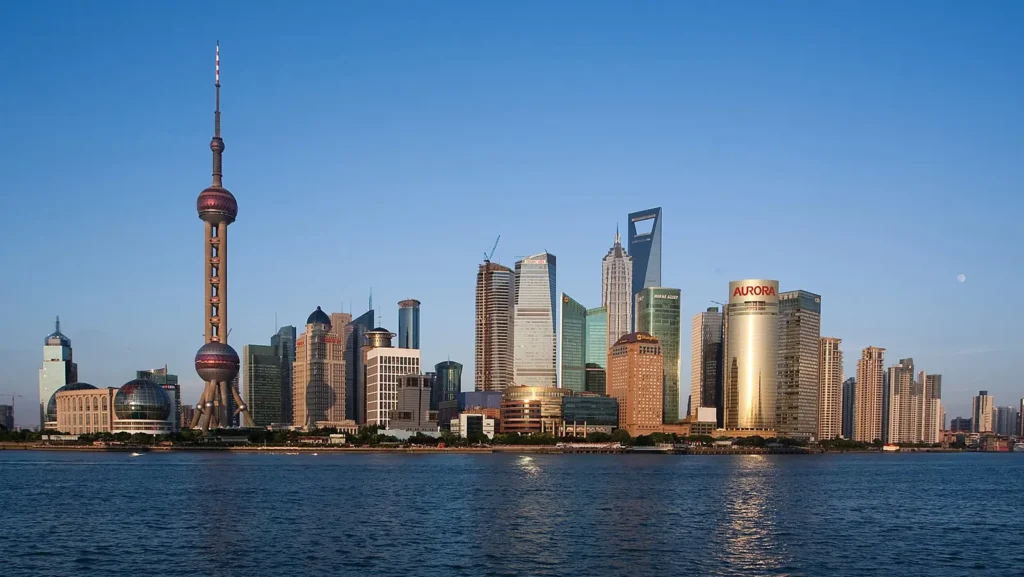
There’s a reason every Shanghai itinerary starts here in Huangpu district. The Bund (外滩, Wàitān) is one of the great urban waterfronts in the world — a kilometre-long sweep of Art Deco and neoclassical buildings on the west bank of the Huangpu River, facing the sci-fi skyline of Pudong on the other side.
Do this first: arrive before 9am if you can. The tour groups arrive mid-morning, and the early light on the Pudong towers is genuinely special. Walk the full length of the promenade from Waibaidu Bridge south to Xinzhongshan Road — it takes about 20 minutes at a stroll.
Insider tip: the view back across to the Bund from the Pudong side is arguably better than the view from the Bund itself. If you have time later in the trip, the short ferry crossing (¥2, cash) from the Bund to Lujiazui gives you a different perspective entirely.
Mid-Morning: Nanjing Road and a Proper Breakfast
Head inland along East Nanjing Road (南京东路, Nánjīng Dōnglù), Shanghai’s famous pedestrian shopping street. It’s touristy, but worth walking the length of it once. Stop for breakfast at one of the side-street dumpling spots along the way — look for a queue of locals and order shēngjiān bāo (生煎包), pan-fried pork dumplings that are as close to a perfect food as Shanghai has produced.
Lunch: Yu Garden and the Old City
Yu Garden (豫园, Yùyuán) is a 16th-century classical Chinese garden tucked inside the old walled city — a remarkable contrast to the colonial grandeur of the Bund you’ve just left. The garden itself is lovely if you’re happy to share it with a crowd; the surrounding bazaar area is good for a wander even if classical Chinese gardens aren’t your thing.
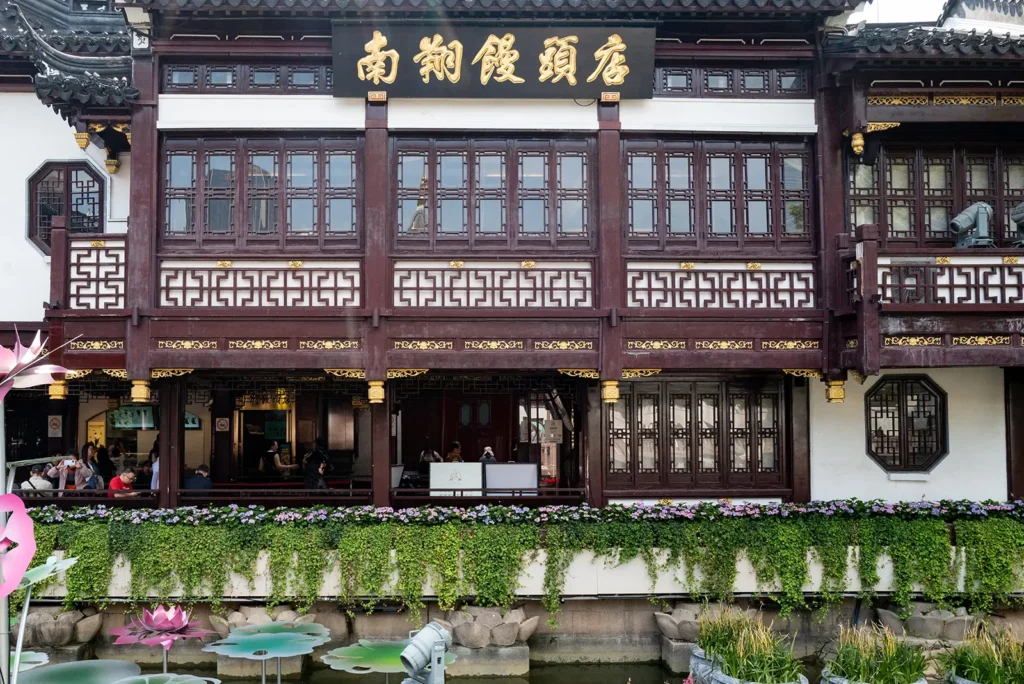
For lunch, eat in the bazaar area. Nanxiang Steamed Bun Restaurant (南翔馒头店) on the square is the famous one — the queues are long but the xiǎolóng bāo (小笼包, soup dumplings) are the real deal. If you’d rather skip the wait, there are dozens of good alternatives on the surrounding streets.
Afternoon: The Waterfront Walk and Pudong Views
After lunch, make your way back to the waterfront. This is a good time to take the Bund Sightseeing Tunnel or the pedestrian ferry across to Pudong and look up at the towers from below — the Shanghai Tower, Jin Mao Tower and the unmistakable bottle-opener shape of the Shanghai World Financial Centre are all here.
If you only go up one tower, the Shanghai Tower observation deck (632 metres) has the best views. Book online in advance to avoid queues.
Evening: Dinner on the Bund
Come back to the Puxi side for sunset and dinner. The Bund lights up beautifully after dark, and this is when the city shows off. There are plenty of high-end restaurants along the Bund strip itself, but you’ll eat better and spend less by heading one or two streets back into the lanes behind East Nanjing Road.
Hungry in Shanghai?
From street food to fine dining, our Shanghai food and drink guide covers everything worth eating in the city.
Day 2: The Former French Concession and Local Shanghai
Day 2 slows down. The former French Concession is a neighbourhood built for wandering — leafy plane-tree-lined streets, independent coffee shops, hole-in-the-wall restaurants and enough history to fill a week. This is the Shanghai that keeps people coming back.
Morning: Coffee and the Tree-Lined Streets
Start with a slow morning in the former French Concession. The area around Wukang Road (武康路, Wǔkāng Lù) and Anfu Road (安福路, Ānfú Lù) is the heartbeat of the neighbourhood — lined with restored lane houses, boutiques and some of the city’s best independent cafés.
Get coffee at one of the many third-wave cafés in the area and walk. That’s really the instruction. The former French Concession rewards aimless walking more than any other part of Shanghai.
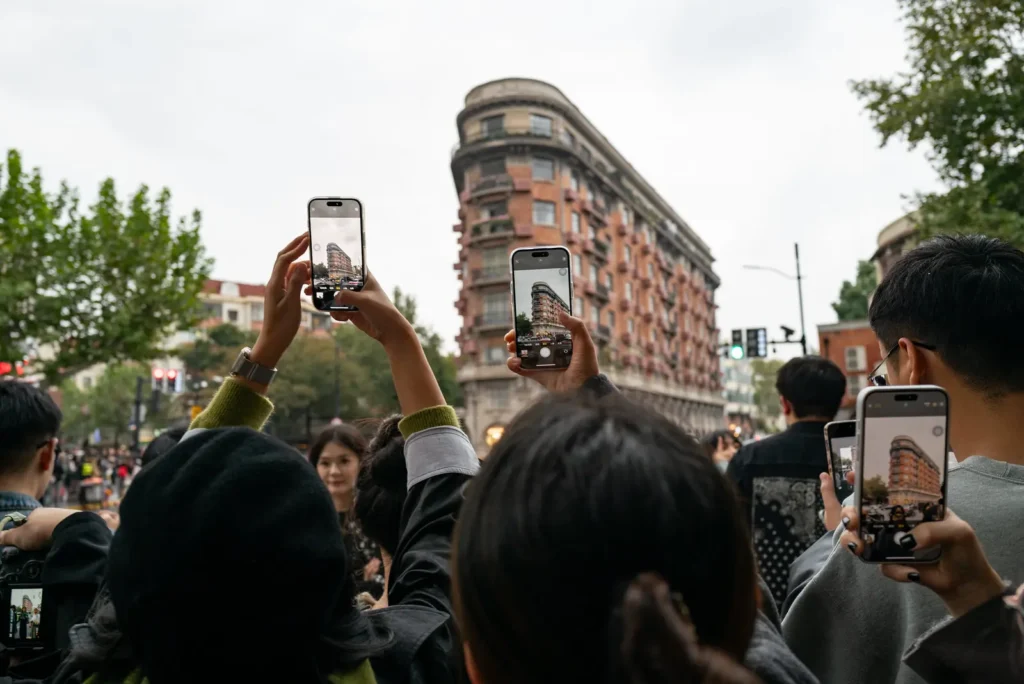
Don’t miss: the Wukang Mansion (武康大楼, Wǔkāng Dàlóu) at the end of Wukang Road — a 1924 boat-shaped Art Deco building that’s become one of Shanghai’s most photographed spots.
For more on what to see and do in the area, read our former French Concession guide.
Lunch: Local Shanghainese Food
This is your best opportunity to eat properly local. Look for a restaurant serving Běnsāng cài (本帮菜) — Shanghainese home-style cooking — which tends towards rich, sweet-savoury braises and seasonal vegetables. Hóngshāo ròu (红烧肉, red-braised pork belly) is the dish to order if you see it on the menu.
Alternatively, the former French Concession has excellent options across the full range — see the food and drink guide for specific restaurant recommendations.
Afternoon: Tianzifang and Xintiandi
Two contrasting Shanghai institutions, both worth a look:
Tianzifang (田子坊, Tiánzǐfāng) is a warren of converted Shikumen lane houses filled with independent shops, studios and cafés. It’s touristy, but genuinely atmospheric — go early afternoon before the evening crowds build up.
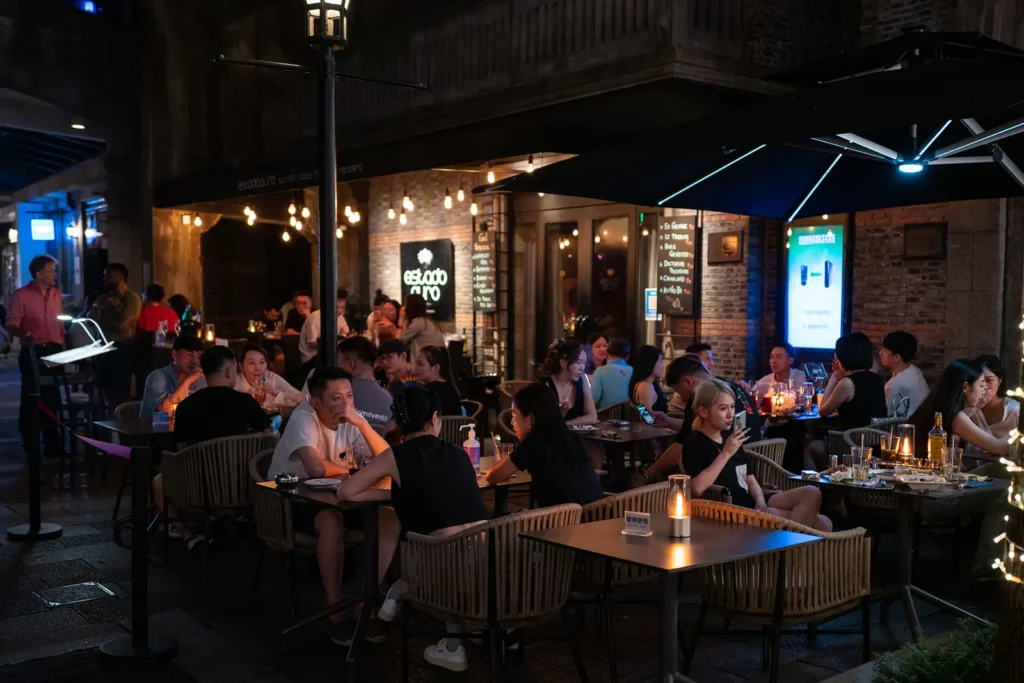
Xintiandi (新天地, Xīntiāndì) is a few minutes’ walk away. More polished, more expensive, but the architecture is beautiful and the open-air plaza is a good spot for a mid-afternoon drink.
Optional: Spend Half a Day at Shanghai Disneyland
If you’d like to include Shanghai Disneyland in your itinerary, it can work well as a half-day detour on Day 2. This is easiest on weekdays, when queues are generally shorter.
Premier Access can be especially useful if you only have limited time, allowing you to skip the regular queues for selected attractions such as TRON Lightcycle Power Run or Zootopia: Hot Pursuit. Learn more on the Shanghai Disneyland page or view Premier Access options
Late Afternoon: Jing’an Temple
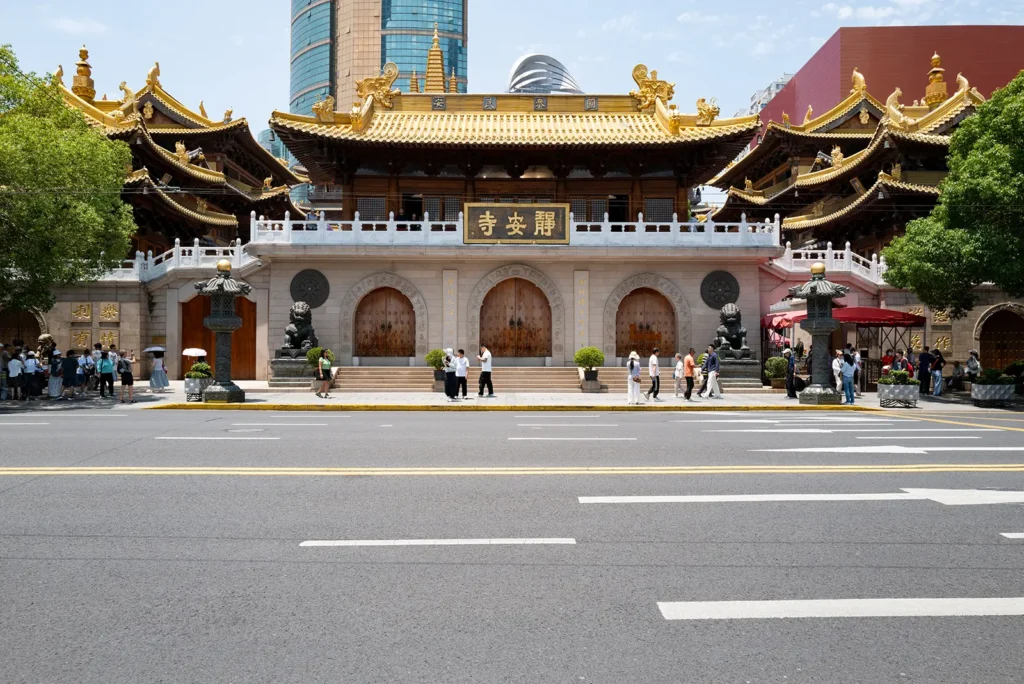
If you have energy left, head north to Jing’an Temple (静安寺, Jìng’ān Sì) — a functioning Buddhist temple that sits in extraordinary contrast to the luxury shopping malls and office towers surrounding it on Nanjing West Road. Entry is ¥50. It’s busy but not overwhelming, and the gilded main hall is genuinely impressive.
Evening: Dinner and a Final Drink
End your two days the way Shanghai deserves — with a good meal and somewhere to sit with a drink afterwards. The former French Concession has the highest concentration of excellent restaurants and bars in the city. Book ahead for dinner if you can; walk-ins are possible but the good places fill up fast on weekend evenings.
Want more from the former French Concession?
Our former French Concession guide goes deeper into the neighbourhood — where to eat, drink, and wander.
Practical Notes for Your Shanghai 2-Day Itinerary
Getting around: The metro is your friend. Lines 1, 2 and 10 cover most of the stops in this itinerary. A single-journey card works fine; download the Explore Shanghai Metro app if you want to plan routes in English.
Payments: Shanghai runs on WeChat Pay and Alipay. Card acceptance is improving but still inconsistent. Visitors can now link foreign credit cards to both apps — set this up before you arrive if possible. Some cash (¥500 should be plenty) is worth having as backup.
Language: English is widely spoken in tourist areas and hotel lobbies; less so in local restaurants and wet markets. A translation app (Google Translate works well with the camera function, though you’ll need a VPN) is invaluable.
Best time to visit: Spring (March–May) and autumn (September–November) are the sweet spots. Summer is hot and humid; winter is grey and chilly but rarely cold enough to be unpleasant.
For a full rundown on everything you need before arriving — eSIMs, VPNs, airport transfers and more — see our Shanghai travel essentials guide.
Planning the rest of your China trip?
I personally use Trip.com to compare hotels, high-speed train tickets, domestic flights, attractions and airport transfers across China, making it easy to organise your whole trip in one place.
Frequently Asked Questions
Is 2 days enough for Shanghai? Two days is enough to get a genuine feel for Shanghai — the Bund, the old city, the former French Concession and a decent amount of good food. It won’t cover everything (nothing short of a week will), but with the right itinerary you’ll leave feeling like you’ve actually seen the city rather than just passed through it. If you can stretch to three days, do.
What is the best area to stay in Shanghai for first-timers? The former French Concession or the area around People’s Square are the two best bases. Both put you within easy metro distance of the major sights, with good restaurants and cafés on the doorstep. Staying on the Bund itself is atmospheric but pricier and less convenient for Day 2 of this itinerary. Pudong is fine if you’re on a business trip, but it feels remote from the parts of Shanghai that make it worth visiting.
Do I need a visa to visit Shanghai? It depends on your nationality. China operates both a unilateral visa-free policy (up to 30 days for eligible nationalities) and a 240-hour visa-free transit scheme for those passing through to a third country. For other nationalities, a Chinese tourist visa applied for in advance is required. See our Shanghai travel essentials guide for full details, and always check current rules with the Chinese embassy before booking as policies change regularly.
Is Shanghai safe for tourists? Shanghai is one of the safest major cities in Asia for tourists. Violent crime is rare and the city is well-policed. The main things to be aware of are the usual urban cautions — watch your belongings in crowded tourist areas like Yu Garden, and be alert to the occasional tea house or “art student” scam targeting foreign visitors near the Bund. Use your common sense and you’ll have no issues.
What is the best time of year to visit Shanghai? Spring (March to May) and autumn (September to November) are the best times to visit. Temperatures are comfortable, rainfall is manageable and the city looks its best. Summer (June to August) is hot, humid and prone to typhoon-related rain. Winter is grey and cool but rarely severe — and hotel prices drop significantly, which is worth considering if budget is a priority.
How do I get from the airport to the city centre? Shanghai has two airports. From Pudong International (PVG), the Maglev train is the fastest option — it covers the 30km to Longyang Road metro station in about 8 minutes, from where you connect to the metro network. A taxi to the city centre takes 45–60 minutes depending on traffic and costs around ¥160–200. From Hongqiao (SHA), the city metro (Lines 2 and 10) connects directly to the centre in around 30–40 minutes.
Have two days turned into three? We don’t blame you. Shanghai has a way of doing that.
Explore more:
Travel Essentials | Where to Stay in Shanghai | Shanghai Food & Drink | Things To Do in Shanghai | Shanghai Disneyland